Aporia Called City


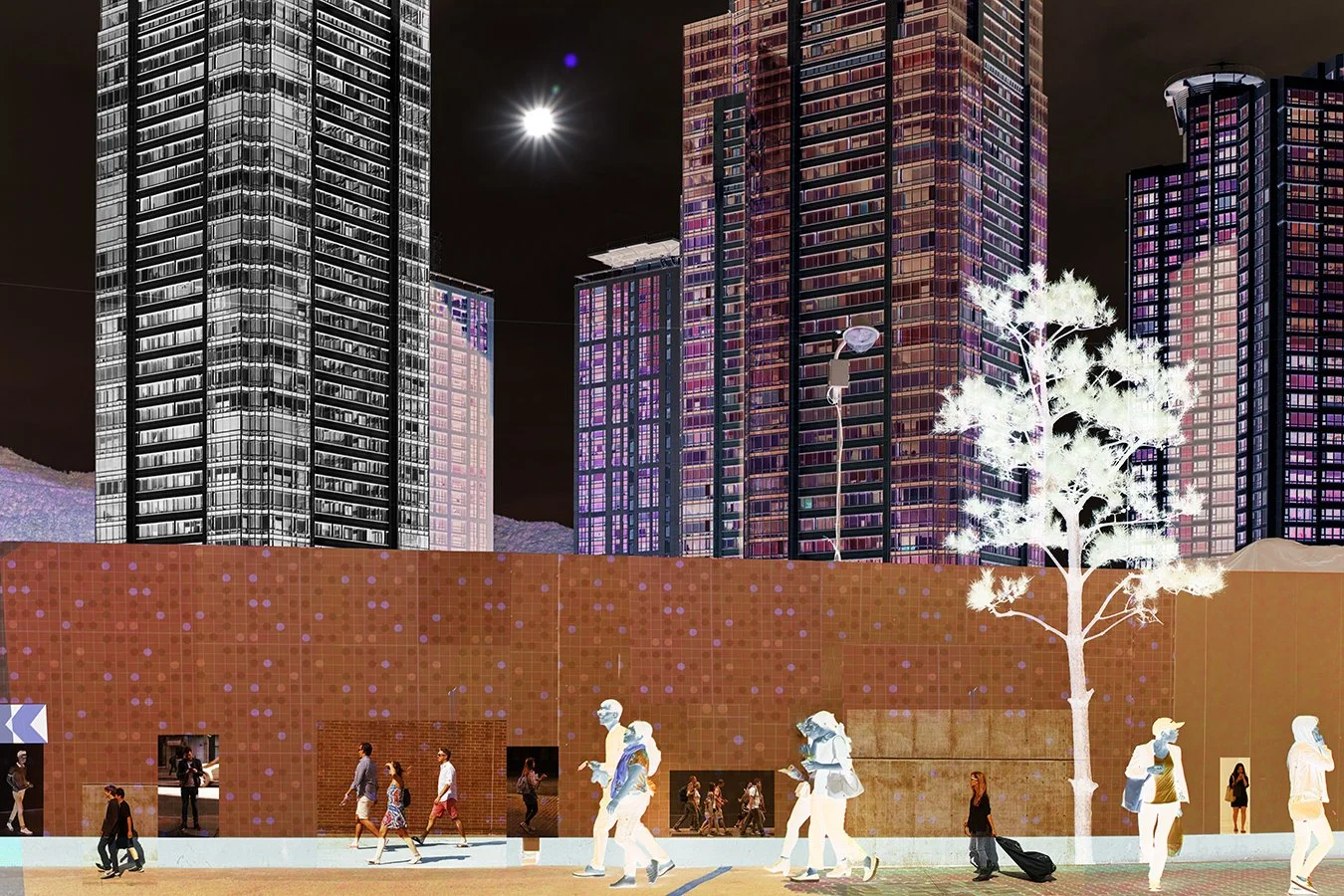


My hometown, Busan, is Korea’s foremost port city. Today it is known for the high-rises of Haeundae and the Gwangan Bridge, but only a few decades ago its hillsides were packed with the shantytowns of refugees who had fled south during the Korean War. It is said that when ships pulled into Busan Harbor late at night, some passengers mistook the lights of these shanties—strung all the way up toward the mountaintops—for the glittering skyscrapers of Manhattan. The lights born of poverty looked, for a moment, like a vision of prosperity.
Busan’s transformation runs parallel to the current of modern Korean history known as the “Miracle on the Han River.” Having achieved dazzling economic growth and modernization in so short a span, Korea became a development model for many countries still finding their way. Yet this change was not purely for the good. To reach its goals, the nation tore down and rebuilt countless things—among them the natural environment and traditional cultural heritage, which, once destroyed, can never be restored. Buildings of glass and steel now rise everywhere in Korea, but to find traces of the past one must make a deliberate trip to a museum or to one of the few preserved districts.
And this story is still unfolding. Not only Korea but countries and cities across the world are planning and pushing the same transformation—clearing away whatever does not suit their aims and replacing it with the modern forms they deem ideal. And so the cities of the world grow ever more alike.
Of course, urbanization and modernization are not wholly bad. In an age when science and technology advance by the day, it is surely necessary to reshape the places we live to be more convenient and better than before. The problem lies in how we pursue it. Without pausing to ask whether the ideal we have set our sights on truly suits us, or whether reaching it really demands that we raze everything that came before, we race toward change for its own sake.
The way people live today seems no different. Just as a city sweeps away the old for the sake of an ideal image, people ruthlessly discard whatever they believe stands between them and their dreams and desires, running toward their goals and nothing else. They lose a great deal along the way, yet most never even realize what they are losing. A few elderly Koreans I have met looked back on their younger years and told me, “Back then, just getting by was everything.” They ran with survival as their goal. What, then, does our own generation dream of, and where are we running?
The world we now inhabit looks like an aporia. We press on quickly toward the future without having resolved the problems of the past and the present. Amid the deep confusion produced by clashing values and desires, it is all too easy to lose the right direction. The city is where that confusion appears most starkly. And so ours is an age that calls for deep reflection rather than hasty action.
도시라는 아포리아
내 고향 부산은 한국 제1의 항구도시다. 요즘은 해운대의 고층빌딩과 광안대교로 유명하지만, 불과 몇 십 년 전만 해도 한국전쟁 때 부산으로 내려온 피란민들이 살던 판자촌이 산비탈을 빼국히 채우고 있었다. 그래서 밤늦게 배가 부산항으로 들어올 때면, 산 정상 가까이까지 이어진 판자촌의 불빛을 맨해튼의 초고층빌딩 불빛으로 착각하는 승객들도 있었다고 한다. 가난이 만들어낸 불빛이 번영의 풍경처럼 보였던 셈이다.
이러한 부산의 변모는 ‘한강의 기적’이라 불리는 한국 근현대사의 흐름과 맥을 같이한다. 짧은 기간에 눈부신 경제 발전과 현대화를 이루어켜, 한국은 여러 개발도상국의 발전 모델이 되었다. 그러나 이 변화가 마냥 긍정적이기만 했던 것은 아니다. 목표를 이루기 위해 수많은 것을 부수고 새로 지었는데, 그중에는 자연환경이나 전통 문화유산처럼 한번 파괴되면 되돌릴 수 없는 것들도 있었다. 이제 한국 어디서나 유리와 철근으로 된 빌딩을 볼 수 있지만, 과거의 흔적을 찾으려면 박물관이나 일부 보존된 지역을 일부러 찾아가야 한다.
그리고 이런 이야기는 여전히 현재진행형이다. 한국뿐 아니라 전 세계의 여러 나라와 도시가 같은 변화를 기획하고 밀어붙인다. 자신들의 목표에 어울리지 않는 것은 싹 밀어버리고, 이상적이라 여기는 현대적인 것으로 바꾸는 것이다. 그렇게 세계의 도시들은 점점 서로 닮아간다.
물론 도시화와 현대화가 전적으로 나쭜 것은 아니다. 하루가 다르게 과학과 기술이 발전하는 시대에 맞춰, 삶의 터전을 더 편리하고 나은 방향으로 바꾸는 일은 분명 필요하다. 문제는 그것을 추진하는 방식에 있다. 우리가 목표로 삼은 이상향이 정말 우리에게 맞는 것인지, 또 그것을 이루기 위해 기존의 모든 것을 허물어야만 하는지 충분히 묻지 않은 채, 우리는 변화 그 자체를 향해 달려간다.
요즘 현대인의 삶의 방식도 이와 다르지 않은 것 같다. 도시가 이상적인 모습을 위해 옛것을 밀어버리듯, 사람들은 자신의 꿈과 소원에 방해가 된다고 여기는 것들을 가차 없이 버리고 오직 목표만을 향해 달려간다. 그 과정에서 많은 것을 잃지만, 정작 무엇을 잃고 있는지조차 깨닫지 못하는 경우가 대부분이다. 내가 만났던 몇몇 한국인 어르신들은 지난날을 회상하며 이렇게 말했다. “그떄 그저 먹고사는 것이 전부였다.” 그분들은 먹고사는 것을 목표로 달렸다. 그렇다면 지금 우리 세대는 무엇을 꿈꾸며, 어디를 향해 달려가고 있는가?
지금 우리가 사는 세계는 하나의 ‘아포리아(Aporia)’처럼 보인다. 과거와 현재의 문제를 풀지 못한 채로 빠르게 미래를 향해 나아가기 때문이다. 서로 충돌하는 가치와 욕망이 만들어내는 깊은 혼돈 속에서, 우리는 가야 할 올바른 방향을 잃어버리기 쉽다. 도시는 그 혼돈이 가장 또렉하게 드러나는 자리다. 그래서 지금은 성급한 행동보다 깊은 성찰이 필요한 시대다.